
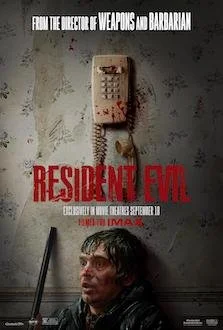
Direction: Zach Cregger
Country: USA
Though I’m not a huge fan of video games or horror franchises, I have to take my hat off to Zach Cregger, the director of Barbarian (2022) and Weapons (2025), for his work on this new installment of Resident Evil. This is quite definitely Cregger’s most technically proficient film to date, blending spectacular, visceral visuals, bantering humor, and oodles of effective thrills.
The plot revolves around one nightmarish night in the life of medical courier Bryan Hodukavich (Austin Abrams), who bravely battles G-Virus-mutated monsters as he attempts to make a vital delivery and survive the uncontrollable outbreak. A cruel finale leaves things deliberately unresolved, ending on a jarring yet perfectly executed note.
Cregger’s wit and love for the game are evident as every scene—fantastically shot and staged—delivers exactly what it sets out to, drawing deeply from gaming culture. He knows how to tighten the screws. At the same time, the film operates on a canvas that reaches far beyond what we’re used to seeing in pictures of this kind.
To sum up, Resident Evil brings a lively sense of gameplay and tense excitement to the screen, giving both gaming and horror enthusiasts plenty to feast upon.







































Quisque iaculis facilisis lacinia. Mauris euismod pellentesque tellus sit amet mollis.